Dubai Flower Centre (DFC) Free Zone: 2026 Setup Guide
Dubai Flower Centre (DFC) Free Zone is the UAE’s specialist hub for the international trade of flowers, plants, and perishable goods. It sits directly inside Dubai International Airport, one of the world’s leading air cargo facilities, giving businesses immediate, temperature-controlled access to global freight routes. If your business involves fresh flowers, horticultural produce, or perishable commodities, DFC offers an unmatched combination of cold chain infrastructure, logistics convenience, and free zone tax benefits.
Setting up a company in DFC follows a clear five-step process: submit your application, receive a Memorandum of Understanding from the authority, submit legal documents, receive final approval, and then sign your lease and collect your licence. The entire process typically takes between 30 and 60 days, depending on the completeness of your documentation.
This guide covers everything you need to know: the business activities DFC permits, the types of entities you can register, the documents required, indicative fees, visa quota rules, facilities on offer, and how DFC compares with other Dubai free zones. Whether you are a foreign entrepreneur entering the UAE flower trade or an established company seeking a regional distribution hub, this guide gives you the foundation to make an informed decision.
What is the Dubai Flower Centre (DFC) Free Zone and who regulates it?
Dubai Flower Centre (DFC) is a specialised free zone and world-class perishable goods facility located at Dubai International Airport. It is operated and regulated by the Dubai Flower Centre Free Zone Authority, and was developed specifically to meet the logistics and commercial requirements of the global floriculture and perishable goods trade. According to the Dubai Flower Centre, the facility is designed as a trans-shipment nerve centre for perishable goods, with strategic processes built around rapid transit times and end-to-end cold chain integrity. The first phase of the centre was completed in 2004 at a capital cost of USD 50 million.
Where is DFC located?
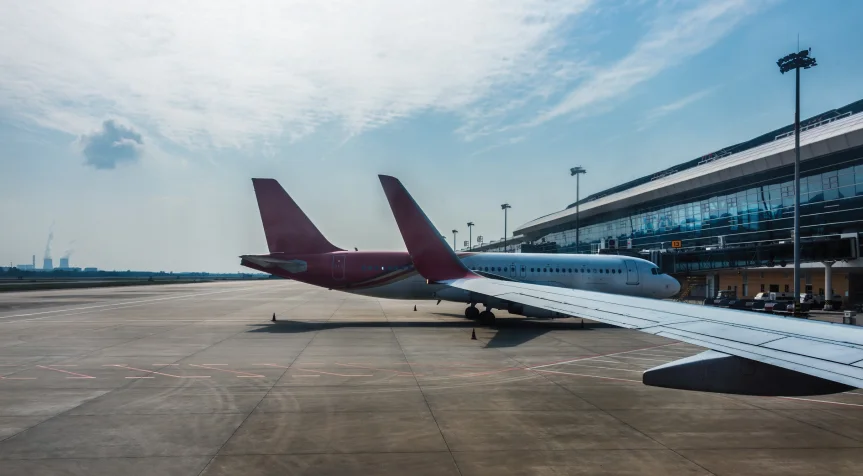
DFC is situated directly within Dubai International Airport (DXB), adjacent to the cargo village. This places businesses registered at DFC in one of the most strategically valuable logistics locations in the world. Dubai International Airport is a leading global air cargo hub, handling millions of tonnes of freight annually. The airport’s position means businesses at DFC can reach markets in Europe, Asia, Africa, and the Americas via non-stop or connecting flights, in most cases within eight hours. For perishable goods such as cut flowers that have a shelf life measured in days, proximity to international air freight routes is not a convenience: it is a commercial necessity.
Who regulates DFC?
DFC is managed and regulated by the Dubai Flower Centre Free Zone Authority, which is responsible for reviewing applications, issuing preliminary and final approvals, administering leases, and overseeing all commercial activities within the free zone. For UAE-wide regulatory matters such as corporate tax, labour law, and immigration, businesses in DFC are also subject to oversight by relevant federal bodies, including the Federal Tax Authority (FTA), the Ministry of Human Resources and Emiratisation (MOHRE), and the General Directorate of Residency and Foreigners Affairs, Dubai (GDRFA Dubai).
How large is the Dubai Flower Centre?
DFC has a total floor area of approximately 100,000 square metres. This includes export chambers, office buildings, product break-down and build-up stations, and automated sorting areas. The cold storage facility alone is fully bonded and covers 34,000 square metres, making it one of the largest temperature-controlled perishable goods facilities in the Middle East. The centre is designed to handle up to 180,000 tonnes of flowers and perishable goods, with a long-term annual throughput capacity expected to exceed 300,000 metric tonnes once fully operational. DFC currently houses around 19 tenants from 11 countries, offering a diverse range of cut flowers, plants, foliage, fruits, and vegetables. Once fully developed, DFC is designed to serve an international market of over two billion consumers.
What business activities are permitted in DFC?
DFC is intentionally focused on a specific industry cluster: perishable goods. All activities directly related to the import, export, distribution, and trading of perishable items are permitted. This is not a general-purpose free zone; it is a specialist facility for businesses that have a genuine connection to the floriculture, horticultural, or perishable goods supply chain. The core permitted activities include floriculture (cut flowers, ornamental plants, foliage), horticulture (fresh fruits, vegetables, and live plants), trading in perishable commodities, logistics and trans-shipment of perishables, cold chain services, and retail of flowers and related products.
What types of licences does DFC issue?
DFC issues two main types of business licences. A Trading Licence is issued to companies that intend to import, export, re-export, distribute, or wholesale flowers, plants, fresh produce, or other perishable goods within or through the free zone. A Service Licence is issued to companies offering services within the DFC ecosystem, for example cold chain logistics providers, packaging specialists, or businesses offering warehousing and distribution services to other DFC tenants. The appropriate licence type depends on your core business activity, and the DFC Authority will advise on the correct category during the initial application review.
Can non-floriculture businesses set up in DFC?
Not typically. DFC is a sector-specific free zone and the authority reviews applications to ensure that businesses have a genuine connection to the perishable goods trade. General trading, financial services, technology, or consultancy businesses that have no link to the floriculture or perishable sector will not normally be granted a licence. If your primary business is logistics or cold storage services supporting the perishable goods supply chain, you may qualify for a service licence. Businesses unsure about eligibility should contact the DFC Authority before submitting a full application.
Is Your Business Activity Eligible for a DFC Licence?
Our advisers confirm your eligibility and identify the right licence type for your floriculture or perishable goods business.
What types of company can I register in DFC?
DFC permits three types of legal entities to register within the free zone. Each suits a different ownership structure and business situation. All three options benefit from 100% foreign ownership, 0% corporate tax on qualifying income, and full profit repatriation rights.
What is a Free Zone Establishment (FZE)?
An FZE is a Free Zone limited liability company with a single shareholder. The shareholder can be either an individual or a corporate entity (another company). An FZE is the most common structure for solo entrepreneurs or businesses that are wholly owned by a parent company looking to establish a presence in DFC. Liability is limited to the amount of capital the shareholder has contributed to the entity, which provides a clear separation between personal and business finances.
What is a Free Zone Company (FZCO)?
An FZCO is a limited liability company with between two and 50 shareholders. Shareholders can be individuals, corporate entities, or a combination of both. An FZCO suits partnerships, joint ventures, or businesses where multiple investors wish to hold equity stakes. Each shareholder’s liability is limited to their proportionate share of the company’s capital. The FZCO is the right choice when you are entering a co-investment arrangement with a partner or forming a joint venture with another company.
Can a foreign company open a branch in DFC?
Yes. A foreign company registered outside the UAE can establish a branch in DFC without setting up a separate legal entity. A branch is an extension of the parent company, and the parent bears full liability for the branch’s activities in the UAE. The branch carries the same name and business activities as the parent. Foreign branches are a practical option for multinationals that want a UAE operational presence without the administrative overhead of a standalone subsidiary.
What are the steps to set up a business in DFC?
Setting up a company in DFC involves five key stages. The total timeline from initial application to licence issuance is typically between 30 and 60 days, depending on the completeness of your documentation and the complexity of your proposed business activities.
Step 1: Submit the application form
The first step is to complete and submit the DFC application form, along with all required supporting documents. The DFC Free Zone Authority will review the application, assessing the company’s background, proposed business activities, space requirements, and financial standing. Within 30 days of receiving a complete application (or sooner if no additional information is needed), the Authority will issue either a Preliminary Letter of Approval or a notice that the application has been declined.
Step 2: Sign the Memorandum of Understanding (MOU)
If the application is approved at the preliminary stage, the applicant receives a Provisional Approval Letter alongside a Memorandum of Understanding. The MOU sets out the fundamental terms and conditions of operating within the DFC Free Zone and serves as a preliminary agreement between the applicant and the Authority. The applicant must return their signed acceptance within ten days of receipt.
Step 3: Submit legal documents
Following receipt of the Provisional Approval Letter, the applicant has 30 days to submit the full set of legal documents required by the Authority. This step is critical: timely submission secures the reservation of your chosen office or warehouse space and allows the formal registration process to proceed without delay.
Step 4: Documentation review and final approval
Once the Authority has received and reviewed all documents, it will issue a Final Approval Letter within approximately two weeks. This letter is accompanied by the lease contract and an invoice covering the Trade Licence Registration Fee and the first year’s rent. The applicant must sign and return the completed Final Approval Letter within one week to confirm acceptance.
Step 5: Sign the lease and collect the licence
The final step is to designate an authorised signatory to execute the lease agreement and collect the trade licence. Payment of the trade licence fee and the first year’s rent must be completed at or before this stage. Once payment is confirmed and the lease is signed, the company is legally established in DFC and can begin commercial operations.
Skip the Paperwork: We Manage Your DFC Registration
From application to licence collection, our team handles every step of your DFC company setup end-to-end.
What documents are required to register a company in DFC?
The documentation requirements for DFC vary slightly depending on whether you are registering a new entity or establishing a branch of an existing foreign company. The core documents required for most applications are:
- Completed DFC application form
- Company brochure or profile (if available)
- Audited financial statements for the last three years (if available)
- A business plan detailing proposed activities, projected revenues, and staffing requirements
- Passport copies of all shareholders, directors, and managers
- Specimen signatures from each director and manager
- Full details of all shareholders, including the ownership structure
- Board resolution authorising the establishment of the entity in DFC
- Original or notarised copy of the Memorandum of Association (MOA) and Articles of Association (AOA), where applicable
- No-Objection Certificate (NOC) from the current UAE visa sponsor (for UAE residents)
For branch applications, you will additionally need: a notarised and attested copy of the parent company’s certificate of incorporation; the parent company’s MOA and AOA; and a board resolution specifically authorising the establishment of the branch in DFC. All foreign-language documents must be translated into Arabic or English by an approved translator before submission.
What are the government fees and setup costs for DFC?
DFC does not publish a comprehensive public fee schedule on its website, and the Authority encourages prospective businesses to contact it directly for a tailored cost breakdown. The total cost of setting up in DFC depends on the type of entity, the licence category, the size and type of space leased, and the number of visas required. The table below provides indicative cost ranges based on publicly available market data. These figures must be confirmed with the DFC Free Zone Authority before committing.
What is the indicative cost of a DFC trading licence?
| Cost Item | Indicative (AED) | Approx. (USD) |
| Trade Licence Registration Fee | AED 15,000 to 25,000 | USD 4,080 to 6,800 |
| Company Registration / Establishment Fee | AED 5,000 to 10,000 | USD 1,360 to 2,720 |
| Minimum Share Capital (FZE / FZCO) | AED 50,000 | USD 13,600 |
| Office Space (per sq m, per year, indicative) | AED 1,200 to 2,500 | USD 327 to 681 |
| Cold Storage / Warehouse (per sq m, per year) | AED 800 to 1,800 | USD 218 to 490 |
| Visa Fee (per visa, indicative, all-in) | AED 3,000 to 5,000 | USD 817 to 1,361 |
All figures are indicative only and must be confirmed with the DFC Free Zone Authority. Exchange rate used: 1 USD = approx. AED 3.67.
What other costs should I budget for?
In addition to the core registration and licence fees, businesses should budget for the following:
- Emirates ID and medical testing for each employee (included in or charged separately to visa costs)
- Document attestation and notarisation costs, particularly for foreign-issued documents
- Bank account setup: most UAE banks require a minimum deposit of AED 50,000 to AED 100,000 (approx. USD 13,600 to 27,200) for a new corporate account
- Annual licence renewal fees (typically a proportion of the original registration fee)
- Professional advisory fees if you engage a business setup consultant or legal adviser
UAE Corporate Tax, introduced on 1 June 2023, applies at a rate of 9% on taxable profits above AED 375,000 (approx. USD 102,100), as confirmed by the Federal Tax Authority. Free zone businesses that meet the “qualifying free zone person” criteria and derive only “qualifying income” may benefit from a 0% rate on eligible income, but this requires careful structuring and professional tax advice.
Get an Accurate DFC Cost Estimate for Your Business
Licence fees, share capital, visa costs, and office rent, we break it all down so there are no surprises.
What is the minimum share capital requirement in DFC?
For both FZE and FZCO entities registered in DFC, the minimum share capital is AED 50,000 (approximately USD 13,600). This amount represents the paid-up share capital of the company and must be deposited into the company’s UAE bank account following licence issuance.
For branch registrations, there is no separate minimum share capital requirement for the branch itself, as the parent company’s existing capital underpins the branch’s activities. The parent company may, however, need to demonstrate sufficient financial standing as part of the branch application process.
How many visas can I get with a DFC licence?
DFC’s visa quota is determined by the size of the office or warehouse space you lease within the free zone, rather than by a fixed number per licence type. The larger your leased premises, the higher your visa entitlement. This approach is consistent with the Ministry of Human Resources and Emiratisation’s (MOHRE) standard framework for UAE free zones, under which each worker requires a minimum of 9 square metres of office space to support a residency visa application. For warehouse-based operations, the formula may differ, and the DFC Authority will advise on the applicable calculation for your specific premises type.
In practice, businesses leasing a small office unit in DFC might qualify for two to five visas, while larger warehouse tenants can support significantly more. You should confirm your expected visa quota with the DFC Authority as part of the site selection process, before finalising your space requirements, particularly if you have a specific headcount target for your first year of operations.
What facilities and office options are available in DFC?
DFC offers a purpose-built range of temperature-controlled and standard commercial facilities specifically designed for the perishable goods trade. This infrastructure sets DFC apart from every general-purpose free zone in the UAE and is central to its value proposition for floriculture and fresh produce businesses.
What temperature-controlled facilities does DFC offer?
DFC operates 34,000 square metres of fully bonded cold storage, one of the largest dedicated perishable goods cold chain facilities in the Middle East. The cold storage is designed to maintain the strict conditions required for cut flowers, live plants, and fresh produce: consistent low temperatures, precise humidity management, and rapid cooling capability on arrival from international flights. The centre includes computerised tracking and automated sorting systems that allow rapid identification and routing of incoming and outgoing shipments, reducing handling time and minimising temperature deviation throughout the sorting process.
What warehouse and handling options are available?
DFC offers a range of warehouse sizes and configurations: temperature-controlled cold storage units for flowers and sensitive perishables; ambient warehouse units for packaging materials and ancillary goods; product break-down and build-up stations for processing incoming bulk shipments into retail or distribution-ready units; and export preparation areas equipped for packing, labelling, and customs documentation. Lease terms and available unit sizes should be discussed directly with the DFC Authority, as availability changes with current occupancy levels.
Are there office spaces in DFC?
Yes. In addition to warehouse and cold storage units, DFC provides commercial office spaces within the free zone. These are suited to management, administrative, and trading functions. Office space is typically smaller in footprint than warehouse units, and the visa quota attached to office leases will be lower accordingly. Businesses requiring a combination of office and warehouse space can lease both simultaneously within DFC, which allows them to optimise their visa quota and operational layout from day one.
Find the Right DFC Space for Your Operation
From cold storage units to commercial offices, we help you match your space to your visa needs and business plan.
What are the key benefits of setting up in DFC?
DFC combines the standard advantages of a UAE free zone with unique sector-specific infrastructure that no general-purpose free zone can replicate for perishable goods businesses. The combination of tax benefits, full foreign ownership, and world-class cold chain logistics makes DFC the most compelling destination for businesses in the floriculture and perishable goods trade.
What tax advantages does DFC offer?
Companies registered in DFC benefit from a 50-year guarantee of 0% corporate tax on qualifying income (subject to meeting the Federal Tax Authority’s qualifying free zone person criteria); 100% exemption from import and export duties on goods transiting through the free zone; no personal income tax for employees; no withholding tax on dividends or profit distributions; and full access to the UAE’s network of double taxation agreements with more than 100 countries. The 50-year guarantee provides long-term fiscal certainty for businesses making significant infrastructure and operational investments at DFC.
What are the logistical advantages of DFC?
The most compelling logistical advantage of DFC is its location inside Dubai International Airport. Incoming cargo clears customs faster; cold chain integrity is maintained from aircraft to cold store without road transit; and outbound shipments can be prepared and loaded with minimal delay. DFC is positioned within eight hours of flight time of major markets in Europe, Asia, and East Africa, which are the primary origins and destinations for the global cut flower trade. DFC is devised as a trans-shipment nerve centre with established protocols for rapid consolidation and onward routing of perishable cargo, meaning a shipment arriving from one continent can be sorted, repackaged, and dispatched to another within hours.
Can I repatriate profits and capital from DFC?
Yes, in full. Businesses registered in DFC can repatriate 100% of their capital and profits to their home country without restriction. There are no currency exchange controls in the UAE, and no limits on the amount or frequency of transfers. This makes DFC especially attractive to international trading companies and investors who need certainty around profit flows and capital management when operating through a UAE subsidiary or branch.
How does DFC compare to other free zones in Dubai?
DFC is a highly specialised free zone. Its closest peer is DAFZA (Dubai Airport Freezone Authority), which is also located at Dubai International Airport but serves a far broader range of industries including aviation, technology, pharmaceuticals, and consumer goods. JAFZA (Jebel Ali Free Zone) is the UAE’s largest general free zone and serves businesses requiring large-scale industrial or multi-sector operations near Jebel Ali Port. The table below summarises the key differences.
Freezone Comparison: DFC vs DAFZA vs JAFZA
| Feature | DFC | DAFZA | JAFZA |
| Location | Dubai Int’l Airport | Dubai Int’l Airport | Jebel Ali Port, Dubai |
| Sector Focus | Perishables / Floriculture | Multi-sector | Multi-sector / Industrial |
| Cold Chain Infrastructure | World-class, purpose-built | Limited | Limited |
| Min. Share Capital | AED 50,000 | Varies by entity | AED 1,000 to 50,000 |
| 100% Foreign Ownership | Yes | Yes | Yes |
| Tax Exemption (qualifying) | 0% | 0% | 0% |
| Visa Quota | Based on space leased | Based on space leased | Based on space leased |
| Air Cargo Access | Direct (on-airport) | Direct (on-airport) | Via road to DXB / DWC |
| Best For | Flowers, fresh produce, perishables | Tech, aviation, pharma | Industrial, manufacturing, large-scale trade |
Free zone fees and requirements change frequently. Always verify details directly with the relevant authority.
For businesses in floriculture, fresh produce, or perishable goods logistics, DFC is the optimal choice in the UAE. No other free zone offers the same purpose-built cold chain infrastructure directly within an international airport.
DFC Is the Right Fit: Let Us Confirm It for You
Get a free side-by-side comparison of DFC, DAFZA, and JAFZA tailored to your business activity and budget.
Five Practical Tips for Setting Up in DFC
These tips are based on a close reading of DFC’s established processes and the general experience of setting up sector-specific free zone companies in the UAE.
- Contact the DFC Authority early for current fees. DFC does not publish a live fee schedule, and costs depend on your entity type, licence category, lease size, and visa requirements. Getting a formal quote early will help you budget accurately and avoid surprises during the approval process.
- Choose your entity type carefully. If you are the sole owner, an FZE is simpler and typically more cost-effective to maintain. If you have two or more shareholders, an FZCO is the appropriate structure. A branch is best suited to multinationals extending an existing perishable goods operation rather than new market entrants.
- Prepare a thorough, sector-specific business plan. DFC reviews applications to confirm that proposed activities are clearly related to the perishable goods trade. A well-written plan covering your intended products, supplier and customer base, and projected volumes will speed up the approval process and reduce the risk of delays or rejection.
- Plan your visa quota before selecting your space. Because DFC’s visa allocation is tied to the size of your leased premises, think about your headcount needs before signing the lease. Under MOHRE’s standard rule, each visa requires at least 9 square metres of office space. If you need 10 visas, choose a unit large enough to support them.
- Use DFC’s trans-shipment infrastructure as a competitive advantage. DFC’s core infrastructure is designed for rapid consolidation and onward routing of perishable cargo. If your model involves sourcing from multiple origins and re-exporting to multiple destinations, DFC’s customs protocols and cold chain continuity can significantly reduce transit times and product losses compared with using a general cargo facility.
Set Up Your Business in DFC with Business Setup HQ
Dubai Flower Centre is a niche free zone with a specific application process and sector requirements. Getting the documentation right, choosing the correct entity structure, and securing the best possible lease terms all benefit from expert local knowledge.
Business Setup HQ has over 22 years of combined experience helping entrepreneurs and businesses establish companies across UAE free zones, mainland, and offshore jurisdictions. Our team can guide you through the DFC application process from start to finish, from initial scoping and document preparation to licence collection and bank account opening.
Contact Business Setup HQ today for a free consultation and a tailored cost estimate for your DFC business setup.
Our Recent blogs
Contact Us
• Filling & Reviewing the Application Form
Testimonials:


Frequently Asked Questions: Setting Up in Dubai Flower Centre
DFC is the only free zone in the UAE purpose-built exclusively for the perishable goods and floriculture trade, with 34,000 square metres of bonded cold storage directly inside Dubai International Airport. No other free zone offers the same purpose-built cold chain infrastructure directly within an international airport. If your business involves fresh flowers, live plants, or perishable produce, DFC gives you a logistical advantage, cold chain continuity from aircraft to storage with no road transit, that general-purpose free zones simply cannot replicate.
An FZE has a single shareholder, making it the right choice for a sole owner or a wholly-owned subsidiary of a parent company. An FZCO has between two and 50 shareholders and suits joint ventures and businesses with multiple equity holders. Both structures offer limited liability, 100% foreign ownership, and the same tax advantages. The choice depends primarily on how many shareholders your business will have at the point of registration.
The process typically takes between 30 and 60 days from submission of a complete application. The preliminary approval decision is issued within 30 days, the final approval letter comes approximately two weeks after document submission, and licence issuance follows within one month of final approval. Delays are most commonly caused by incomplete documentation or requests from the Authority for additional information about the proposed business.
The minimum share capital for both FZE and FZCO entities in DFC is AED 50,000 (approximately USD 13,600). This must be deposited into your UAE corporate bank account after licence issuance. Branch registrations do not have a separate minimum share capital requirement, as the parent company’s existing capital covers the branch’s operations.
Yes. DFC companies can sponsor residence visas for employees, managers, and shareholders, subject to eligibility criteria set by GDRFA Dubai. The number of visas you can obtain is determined by the size of your leased premises in DFC. You should confirm your expected visa quota with the DFC Authority before finalising your space requirements, particularly if you have a specific headcount target.
Yes. Like all UAE free zones, DFC permits 100% foreign ownership with no requirement for a UAE national as a local sponsor, partner, or shareholder. You retain full control of your company, can repatriate 100% of your capital and profits without restriction, and there are no currency exchange controls in the UAE.
UAE Corporate Tax at 9% applies to taxable profits above AED 375,000, as confirmed by the Federal Tax Authority (effective 1 June 2023). However, DFC companies that qualify as “qualifying free zone persons” under the Corporate Tax Law may benefit from a 0% rate on qualifying income. Whether a specific business meets the qualifying criteria depends on its activities, income sources, and compliance with the relevant conditions. Professional tax advice is essential before relying on the 0% rate.
DFC permits all activities related to perishable goods, including cut flowers, ornamental plants, live foliage, fresh fruits, vegetables, and other horticultural products. Associated activities such as logistics, trans-shipment, cold chain management, packaging, and distribution of these goods are also permitted under the appropriate licence. DFC does not permit the trading of non-perishable goods or activities unrelated to the perishable goods supply chain.
Make business setup easy and affordable at Dubai Flower Centre (DFC) Free Zone with Business Setup HQ.